




AI-Powered Early Dementia Diagnostics
Multimodal AI diagnostics designed to help clinicians detect early-stage cognitive decline with confidence
Predictive Healthcare
Transforming complex biomarkers into actionable clinical clarity before symptoms manifest.
89.3 Percent
Diagnostic Accuracy
AI-powered voice analysis to detect subtle neurological change.
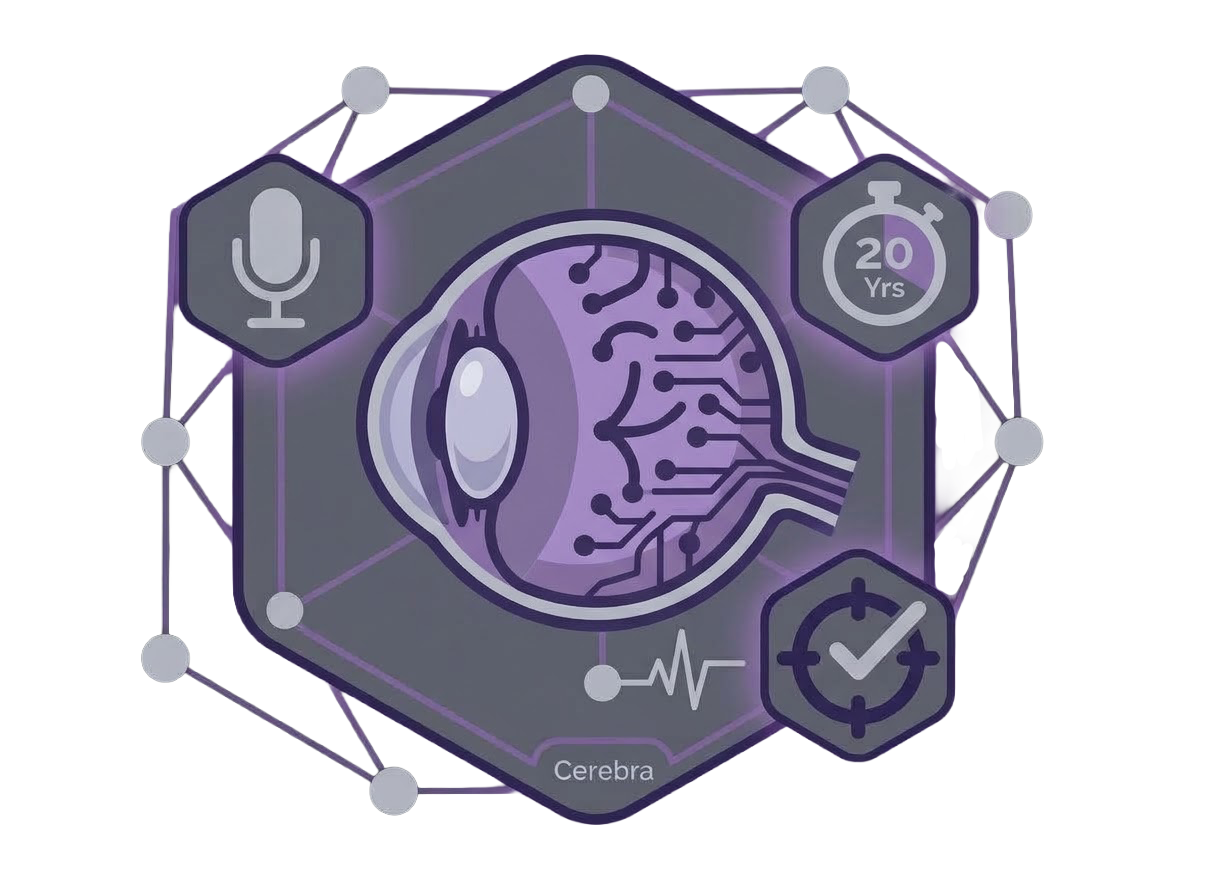
20 Years
Early Detection Window
Non-invasive eye scans detect early signs up to 20 years prior.
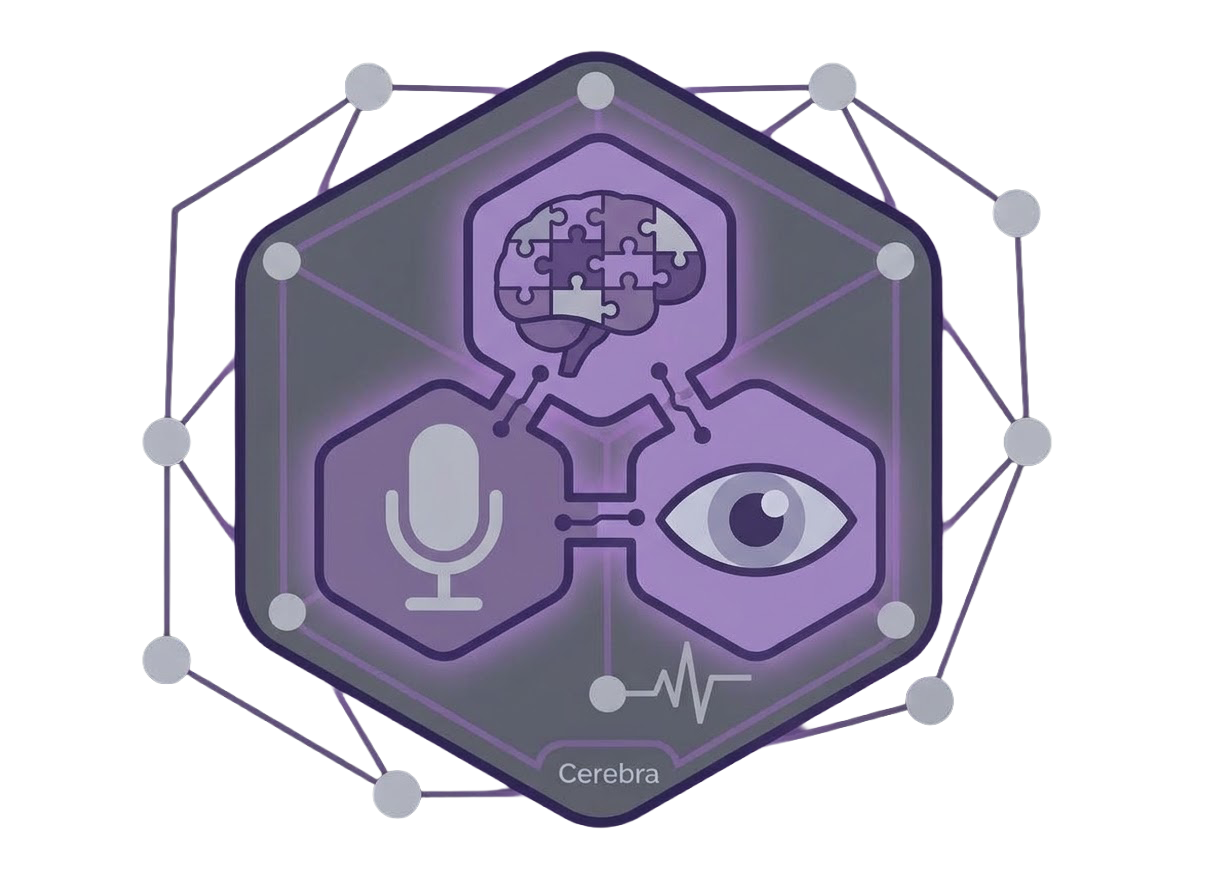
Triad
Multimodal AI Fusion
Integrating voice, eye, and cognitive analysis.
The Silent Crisis
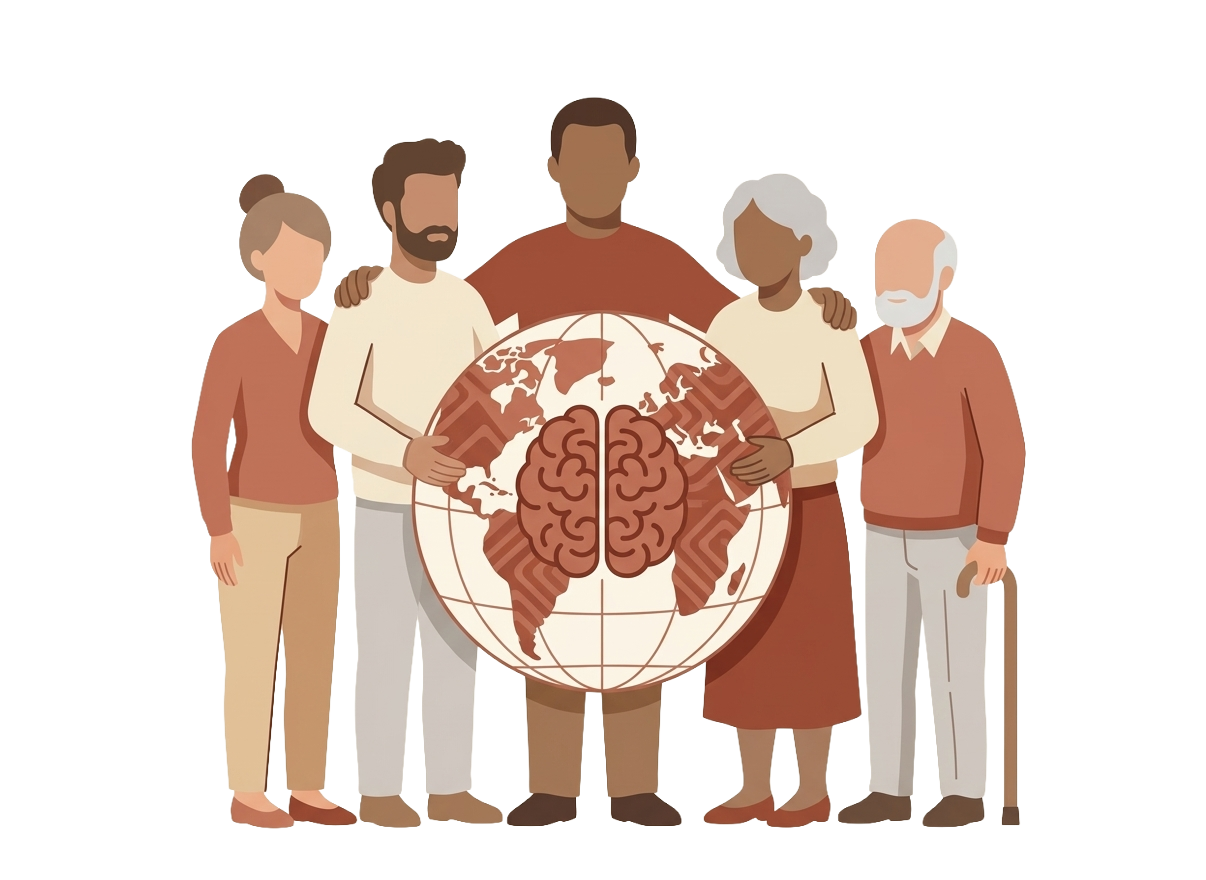
As dementia remains one of our time's greatest healthcare challenges, why early detection is our greatest weapon lies in the fact that it is far too often diagnosed long after neurological damage has already begun.
55 Million
People affected
Currently living with dementia globally, with projections reaching 139 million by 2050.
“The new holy grail in the fight against Alzheimer’s, the most common neurodegenerative disease, is the ability to detect it earlier and earlier, even before symptoms appear. ”
– Dr. Nuño Domínguez & Leading Neurological Research Teams
75 Percent
Undiagnosed
The vast majority of people with dementia remain entirely without an official diagnosis.
Every 3 Seconds
one Diagnosis
A new case of dementia is diagnosed somewhere in the world every single three seconds.
Non-Invasive Multimodal Diagnostics
Combining advanced AI with patient-friendly screening to detect early neurological shifts
Acoustic Intelligence
Vocal Pattern Analysis
Captures micro-fluctuations in speech cadence and pause frequencies to detect early signs of cognitive decline through natural conversation.

Ocular Tracking
Retinal Biomarkers
Tracks micro-vascular density and nerve layer alterations via accessible visual scans for non-invasive dementia screening.

Adaptive Interaction
Gamified Cognitive Tests
Measures subtle shifts in reaction times and problem-solving pathways to establish a comprehensive neurological health baseline.
Gamified Cognitive Games
How good is your memory?
Take our quick, interactive memory challenge to see how our gamified cognitive tests work in real time
Our Scientific Foundation
At Cerebra Laboratories, our technology is built on rigorous, peer-reviewed science.
We are addressing the critical diagnostic bottleneck in dementia care by shifting the focus from invasive, late-stage procedures to early, accessible, and multimodal AI-driven detection
-
Current disease-modifying therapies require precise early-stage biomarker confirmation, yet traditional diagnostics are invasive and costly. Our research highlights the urgent need for scalable, non-invasive screening tools that can identify cognitive decline before symptoms fully manifest.
Kamran, Q., & Baretto, P. (2026). Dementia Research in Crisis: Six Decades of Bibliometric Evidence Target: Alzheimer's & Dementia -
By combining voice biomarkers, hyperspectral retinal imaging, and gamified cognitive assessments, our platform creates a comprehensive digital phenotype. This fusion of data allows for unprecedented accuracy in early detection and subtype differentiation.
Kamran, Q., & Baretto, P. (2026). Computational Synthesis of Dementia Research for AI-Driven Training. Springer International Publishing. -
Our bibliometric analysis of over 500,000 publications reveals a critical misallocation in global research funding. Cerebra is pioneering a shift toward diagnostic technologies that directly support the mechanistic biology of emerging therapies.
Kamran, Q., & Baretto, P. (2026). Computational Meta-Science Analysis of Dementia Research. Springer - Entrepreneurship and Innovation.
Transforming Data into Dignity
Whether you are a clinician looking to integrate advanced diagnostics, a researcher exploring multimodal biomarkers, or a partner ready to scale, we invite you to join us.